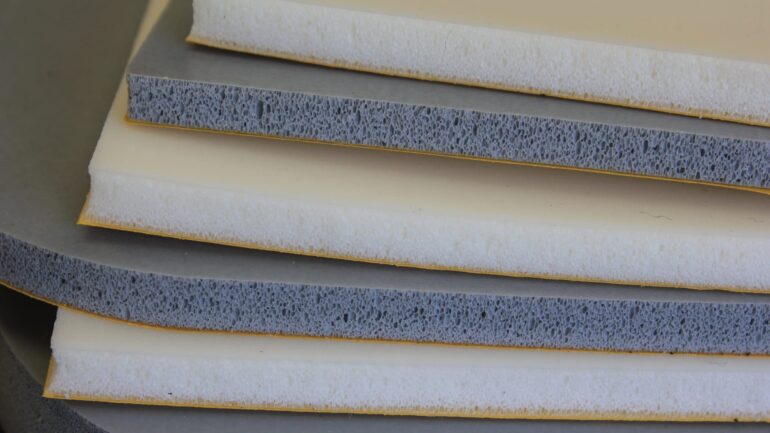
In critical sealing applications, such as electrical enclosures, HVAC units or outdoor lighting, when gaskets fail, it is often a symptom of a fundamental material mismatch. Silicone materials are a popular choice for a wide range of industrial sealing, however, there are important choices to make depending on the intended use of the material in question. For industrial sealing applications, the choice between solid silicone rubber and silicone sponge goes much further than “soft or hard.” It’s a key choice between compression force, structural integrity, and environmental resistance.
Selecting the wrong cellular structure can lead to a wide range of issues, the implications of which can be much more serious than just gasket failure. Without the correct sealing material, engineers can face very expensive repairs and downtime. For engineers or buyers, considering the interplay of density, compression force, and water tightness are essential for making the right sealing choice.
To help you select the right sealing material, let’s break down the technical performance of solid silicone versus silicone sponge.
Solid Silicone Rubber: The Engineering Standard
In engineering, solid silicone rubber is a popular choice because it is dense, tough and robust. However, harder isn’t always better for gaskets. Solid silicone is a material with very little compressibility, which means that in order for the material to effectively fill gaps to make a seal, it requires significant closure force.
When to choose Silicone Rubber
Solid structured silicone is often a great choice when durability and density are key for the intended application:
- Heavy-duty applications: If you are creating a seal between heavy-duty materials, facing high-pressure, solid silicone is often a good choice.
- Machined surfaces: It works best on perfectly flat, machined mating surfaces where high clamping force can be applied without damaging the hardware.
When not to choose Solid Silicone
The high closure force required by silicone rubber can create issues for engineers working with lighter materials.
- Distortion: If you apply a solid gasket to a thin-walled electronic enclosure or a plastic lighting fixture, the force required to displace the rubber may bow the plastic.
- Stress cracking: High pressure can strip screw threads or crack the enclosure before a proper seal is achieved.
- Unforgiving on mating surfaces: Because of its high density, solid silicone is unforgiving. If there is a 0.5mm variation in a gap, a solid gasket might bridge over the loose spots, allowing a leak.
Choosing Silicone Sponge
If your application isn’t a good fit for the high clamping forces required for solid rubber, or if the mating surfaces for your gasket are imperfect, then silicone sponge is often a much better suited material choice.
Silicone sponge contains cellular pockets of gas. This means that when the material is compressed, the material isn’t displaced, as its gas pockets are being compressed. The low closure force of silicone sponge allows for a watertight seal with considerably less force, preserving the integrity of plastic or thin metal housings. The lower density of sponge also allows it to absorb surface irregularities much more effectively than solid rubber. It fills gaps that solid rubber would bridge over.
Need Help with Gasket Material Selection?
Selecting the density of gasket material you need is just the first step. You will also have to consider a wide range of other factors, and environments that seals will have to be resistant to, such as UV, ozone, temperatures, chemicals, and general weathering.
CB Frost & Co supply a wide range of high performance sealing materials and will help engineers and buyers to find a solution to meet their exact needs, whether considering specific housing constraints, or legal compliance.
Explore the full range of silicone sponge and rubber materials available from CB Frost here.