Every industrial door is a key piece of equipment that contributes to the security, energy-efficiency, and productivity of a workplace. Entire British industries hinge upon the functionality of these doors, and you yourself likely rely upon your industrial doors much more than you realise.
To keep your doors working well, however, you must upgrade them in line with your business needs, which are likely to change in the coming years. If this is not done then you may be left with doors that fail to meet standards, or to keep pace with the expansion of your operations.
Keep reading to discover how your industrial door requirements may change over time, and how you should take steps to address this before they become unfit for purpose.
1. Business Growth
The growth of your business will come with increased demands for speed and output. Consumer expectations are high, and in a world of same-day shipping and next-day deliveries, you cannot afford to be left behind.
If you have expanded your fleet, onboarded more staff, and increased your product offerings, then the next step is to install faster, more durable doors that can withstand the rapid movement of goods and personnel throughout your premises.
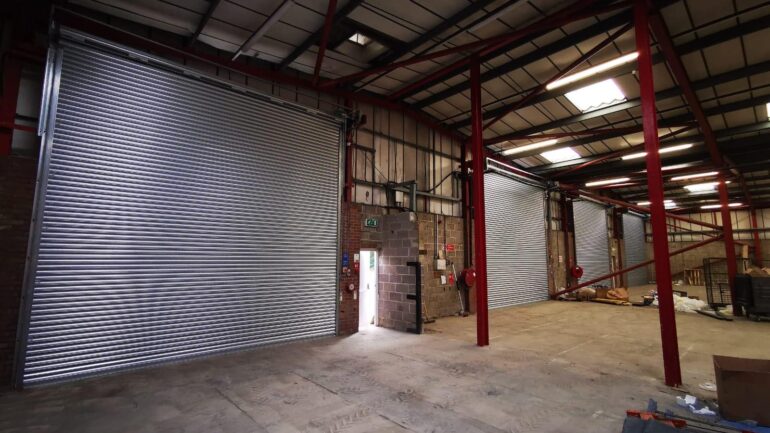
This may include high‑speed roller shutters that open automatically, or sectional overhead doors to facilitate the fast movement of goods from your loading bays. The benefits of upgrading to these doors at key access points cannot be understated, and they will accommodate the ongoing expansion of your operations for years to come.
2. Premises Relocation
If recent business success has resulted in a relocation to new (and much bigger) premises, then now is not the time to let outdated doors impede your success.
Moving into a large, old, or energy-inefficient building often means that the existing doors are unsuitable for both your current requirements and future growth ambitions. Before you finalise your move, consider retrofitting older access points with new doors that are:
- Well insulated and energy efficient.
- Compliant with current safety standards.
- Part of an automated system that offers hands-free operation.
3. Security Threats
Security starts at the entrance, and structurally-sound doors are the first line of defence against unauthorised access. If reports of rising burglary rates or break-in attempts at nearby businesses have made you question the security of your premises, then outdated doors are simply not going to cut it.
In order to provide your premises with the protection they deserve, your doors must provide a reliable physical barrier against forced entry, but that is not all. They must also be integrated with additional security measures, such as access control systems and reinforced locking mechanisms, to reduce the risk of doors being left open or unlocked.
4. Fire Safety
Industrial premises are high-risk environments, and fire‑rated doors are a necessity at all times. The structural integrity of these doors stops any flames or smoke from entering the different sections of a building, but as your operations change so too do the associated fire risks.
Businesses like yours must periodically reassess their fire safety strategy and replace their doors as needed, particularly if the layout of the building has been changed or a new storage area has been added. These new sections may house equipment or materials that could start or accelerate a fire, and if this is the case then fire rated doors are needed to contain the spread of fire and protect the rest of the premises, including vital evacuation routes.
5. Sustainability Efforts
If it’s getting harder and harder to maintain energy-efficient operations, then it’s time to do something about it. Cutting down on energy consumption and waste requires a strategic, long-term approach and if your current doors are not playing their part in this then they need to be upgraded.
Insulated high speed doors will play their part year-round by minimising energy loss, keeping heated or cooled air inside the premises, and maintaining a tight seal. These new doors will also reduce the amount of energy needed to store temperature-controlled products by preventing external air from slipping through weak seals or poorly insulated structures into cold storage areas.
6. Smart Integration
Whilst you map out the future of your business, your existing doors and their operating systems may be holding you back. Automated access control, smart locks, and remote monitoring are no longer optional add-ons – they are value-adding investments that will improve operational efficiency for years to come, so don’t get left behind!
Whilst traditional, manual door systems may cause bottlenecks and delays, the automated alternatives are able to:
- Operate without human intervention.
- Open and close at set speeds.
- Activate at a set time, or when proximity sensors are activated.
These additional capabilities also mean that it takes only a few seconds to pass through the doors, rather than needing to manually open and close them multiple times an hour.
7. Wear and Tear
How long have you had your industrial door for? A few months? Several years? So long that you can’t remember?
Like all equipment, industrial doors must be maintained, and even the best ones will eventually degrade. Depending upon the stage in its lifecycle, an industrial door will need to be repaired, refitted, or eventually replaced, so keep an eye out for:
- Visible signs of damage e.g. corrosion.
- Slow or shaky operation.
- Regular breakdowns or equipment failures.
Planning Ahead for Your Industrial Door Requirements
Your industrial doors must change and adapt with your business, so whether you have security concerns, new compliance regulations to meet, or a big relocation planned, it’s important to:
- Conduct regular inspections.
- Choose doors with integration capabilities.
- Opt for modular systems that can be upgraded as needed.
And partner with Amber Doors – your trusted supplier for bespoke doorsets and ongoing maintenance.