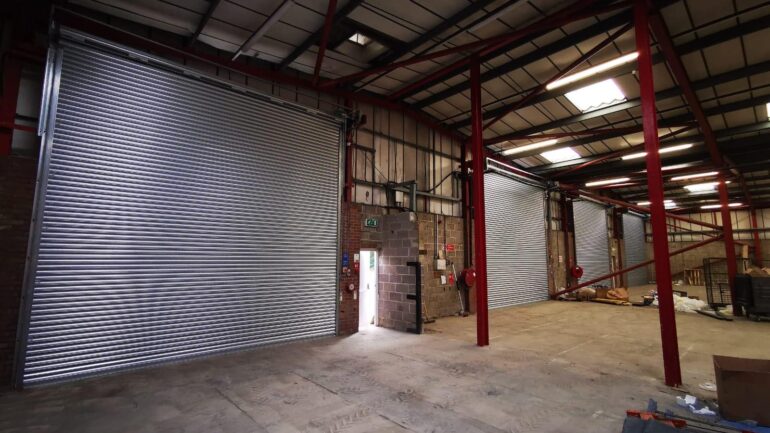
Loading bays are the backbone of the British supply chain and maximising their efficiency is a key priority for all parties – so, is your loading bay as efficient as it should be?
You will already know that efficient operations begin long before a delivery arrives at your warehouse and continue long after the products have left, and automated solutions play a major role at every point in this process. Whatever industry you’re in, automating your loading docks will reduce delays, streamline the loading and unloading processes, and improve productivity across your operations, so let’s take a look at the range of options that are out there and what they offer your business.
1. Real-Time Monitoring Systems
Automated systems are able to monitor a loading bay in real time by combining cameras, sensors, and other automated innovations into an integrated network that covers every section of the bay. This integration then allows the systems to automate the check-in and check-out processes which would otherwise require extensive human intervention and come with a risk of downtime and delays.
If your premises need to process multiple deliveries every day then you are no doubt aware of the need to carefully plan and execute this schedule; which, without automation, is very hard to do. Automating these processes doesn’t just keep them on track, it also streamlines them, and keeps you updated at all times with information from multiple data streams so there’s no guesswork or confusion.
2. Automated Vehicle Restraints
Manual vehicle restraint systems offer full control over this important safety measure but opting to automate this process vastly reduces the risk of accidents and safeguards employee safety.
These automated systems rely on sensors located on wheel guides and dock shelters to track a vehicle as it drives into the designated bay. Once the wheels reach a certain point the restraint system is automatically activated and secures the truck in place before letting the driver know – usually through a visual cue like a green light – that it is safe to exit the vehicle. All the elements of this system are integrated and will keep the wheels in place even if the brakes fail, vastly reducing the risk of accidents or drive-offs, and won’t be deactivated until the dock levellers, shelters and lifts are no longer attached to the vehicle.
3. Integrated Dock Levellers
Hydraulic dock levellers already simplify loading processes by bridging the gap between vehicles and loading docks, and automated dock levellers take this one step further. By utilising sensors to measure the height of the vehicle, these levellers automatically adjust the loading ramp and create a self-supporting bridge between the vehicle and the building that does not need to be readjusted before the unloading process can begin.
This allows goods to be moved at ground level and vastly improves loading and unloading speeds. The sensors can also be programmed to continually monitor the ramps height and integrated with the dock levellers to readjust the setup as needed to prevent any gaps, trip hazards, or other threats to safety.
4. Automated Handling Solutions
Automation removes the need for human intervention across loading bays and warehouses and there are also a range of automated solutions that eradicate the need for manual handling altogether.
Once a loading platform has been stabilised, automated conveyor systems keep goods moving from the vehicle into the building. These systems are often portable and can be extended and retracted as needed to offer the flexibility that busy loading bays need to keep operations on track. From here, the goods can be loaded onto internal automated conveyors that move them even further inside the building. Depending upon your requirements, automated systems can transport goods throughout the warehouse and safely store them without manual intervention being required at any stage.
5. Time-Saving Systems
All of these initiatives improve efficiency and reduce wasted time, and combining them together into an integrated system will allow you to maintain control over all loading bay operations.
A centralised system will track a vehicle from the moment it enters the loading bay and will collate data from a range of sources to keep everything on track. As soon as the vehicle restraints are in place then the system will automatically bring out the dock levelers and queue up the conveyor systems, then once the unloading process is complete the system can either begin loading outbound goods or signal the driver to move the vehicle. This prevents any vehicles from loitering in unloading zones and also prevents queues from forming at the site entrance as the system can also be automated to notify each vehicle as soon as a bay is available and guide them into it with clear instructions.
Driving Efficiency and Optimising Operations
If we’ve inspired you to improve your processes and futureproof your operations with automated solutions then get in touch with Amber Doors today.
They specialise in the manufacture and installation of bespoke loading dock solutions and will be able to design an automated system that works with your existing equipment and processes, so click here to contact their team.