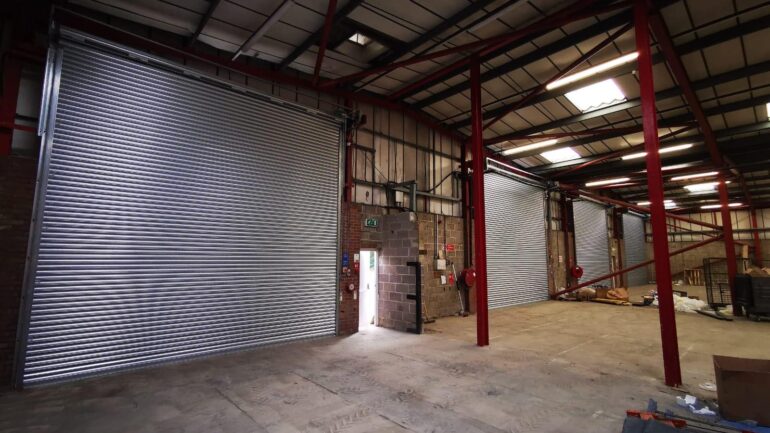
Sectional doors play an important role in a range of industrial, commercial, and warehouse environments, offering security, efficiency, and ease of access. However, when these heavy-duty doors are not properly installed or maintained, they can pose serious safety risks.
Faulty mechanisms, worn-out components, and a lack of regular inspections can lead to sudden malfunctions, door failure, unexpected downtime, or even accidents, putting employees and assets at risk. Ensuring proper installation and conducting routine maintenance are vital for preventing accidents and keeping both personnel and property safe.
Let’s explore the key risks associated with sectional doors, the importance of professional installation, and best practices for long-term operational safety.
Safety risks associated with sectional doors
Some of the most common safety risks associated with sectional overhead doors include:
- Mechanical failure
Sectional doors rely on mechanical components including springs, cables, and tracks to operate. Over time, these parts experience wear and tear, increasing the risk of mechanical failure. Broken or worn-out springs can cause the door to shut unexpectedly, while misaligned tracks can lead to improper operation, increasing the likelihood of an accident.
- Sudden closure
If the door’s counterbalance system fails or the motor malfunctions, the door may shut suddenly, posing a serious danger to anyone nearby. This can result in injuries to employees or damage to vehicles and equipment. As well as regular inspections of mechanical components, safety sensors and emergency stop mechanisms should always be checked to prevent serious incidents.
- Obstruction and impact risks
Warehouses and industrial facilities are busy environments with constant movement of goods, vehicles, and personnel. If an automatic sectional door lacks an effective obstruction detection system, it could close on a vehicle or a worker, leading to costly damage or serious injury.
- Security vulnerabilities
A door that isn’t properly maintained can become a security weakness. Faulty locks, damaged panels, or misaligned tracks can make unauthorised access much easier. Ensuring that doors are regularly checked for security vulnerabilities is key to maintaining protection against break-ins.
It’s important to consider that doors in a commercial or industrial environment see heavy use, opening and closing multiple times throughout the day. As a result, normal wear and tear increases, increasing the safety risks associated with sectional doors, and necessitating regular professional maintenance.
The importance of professional installation
While some businesses attempt to install sectional doors themselves or opt for low-cost installations, improper installation can greatly increase long-term risks and expenses. Here’s why professional installation is crucial:
- Correct balancing and alignment – Experienced professional installers ensure that doors are properly balanced and aligned, preventing unnecessary strain on components and reducing the risk of failure.
- Safety mechanisms – Installers fit doors with necessary safety features, such as auto-reverse sensors and emergency stop functions.
- Compliance with UK safety regulations – In the UK, industrial doors must comply with strict HSE guidelines. A professional installer ensures that your sectional doors comply with these requirements.
- Durability and performance – A professionally installed door operates smoothly and lasts longer, reducing maintenance costs over time.
Best practices for maintenance & safety compliance
Ensuring the longevity and safe operation of sectional door systems doesn’t stop at safe and professional installation. Regular inspections and proactive maintenance are just as important.
- Routine inspections
Professional door installation and maintenance specialists regularly check for signs of wear, such as frayed cables, rusted tracks, or damaged rollers. Conducting visual and operational inspections at least once a month helps catch potential issues early, however, proper checks should be left to professionals.
- Lubrication and component checks
Applying lubrication to moving parts, such as hinges, rollers, and springs, helps reduce friction and extend the door’s lifespan. Keeping these components clean and lubricated ensures smoother operation.
- Testing safety features
Safety sensors and auto-reverse mechanisms should be tested regularly to ensure they respond correctly to obstructions. A malfunctioning sensor could lead to serious accidents.
- Employee training
Operators and employees should be trained on proper sectional door usage and how to report any signs of malfunction. Clear safety guidelines should be in place to prevent misuse and accidents.
- Professional servicing
Scheduling regular professional maintenance ensures that critical components are inspected, repaired, or replaced as needed. Trained technicians can detect and address hidden issues before they lead to costly breakdowns.
While regular maintenance can extend the life of a sectional door, some issues may indicate that a replacement is necessary. Trained door technicians can identify when components or the door structure need to be replaced completely, or just repaired.
Professional industrial door installation and maintenance
Ensuring the safety of sectional doors isn’t just about compliance; it’s about protecting employees, property, and business operations. Proper installation, regular routine maintenance, and proactive safety measures are vital for keeping doors functioning reliably, safely and securely at all times.
If your sectional doors require inspection, servicing, or an upgrade, don’t wait until a failure or accident takes place. Contact Amber Doors for a professional sectional doors assessment and bespoke maintenance plan.