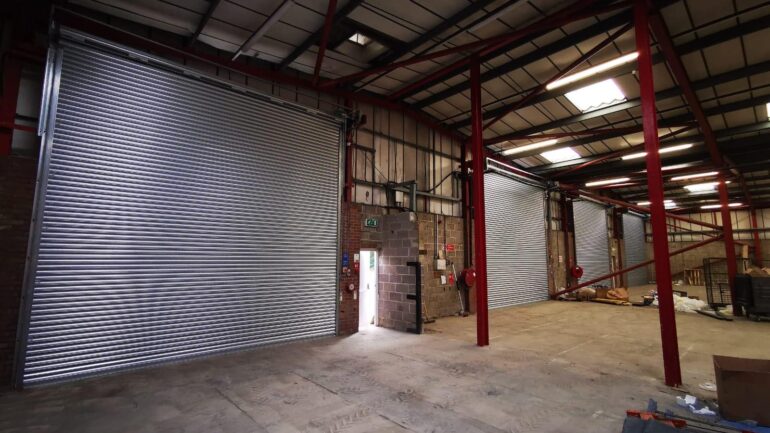
If you are looking to increase efficiency across all your distribution processes, then your loading bays are the place to start. As the bridge between your warehouse and the wider supply chain, each loading bay is central to the success of your business, and even the smallest delays here can cost you greatly in missed deliveries, wasted inventory, and the failure to fulfil orders.
In this article, we’ll look at 5 simple ways that you can improve your loading bay efficiency, covering both practical equipment upgrades and operational improvements, so read on to get started.
Key Points:
- Avoid delays by overseeing vehicle arrivals and tracking loading bay availability from the control room.
- Protect personnel, products, and processes by installing wheel guides and dock shelters.
- Keep operations on track all year-round by scheduling regular preventative maintenance.
Automate Vehicle Arrivals
From the moment a vehicle enters your site, it’s a race against the clock to direct it to an available bay, unload its cargo, and send it on its way again. Traffic must keep moving to avoid both onsite congestion and operational delays, so instead of having personnel out there in the yard keeping track of which bays are free and directing vehicles into them, it’s best to switch to an integrated system that allows you to manage arrivals directly from the control room.
By utilising cameras, sensors, and digital signage across the site, the system can track a vehicle as it approaches the gate and immediately signpost it to an open bay, instead of leaving it idling in the middle of the yard. You can also integrate your arrivals system with your order management system to track exactly what each vehicle contains, and direct those with sensitive cargo into sealed bays for controlled unloading.
Top Tip: Save time on vehicle departures as well with traffic lights within the bay that let the driver know when it’s time to depart.
Install Wheel Guides
Avoiding delays is an ongoing effort throughout the unloading process, but it begins right at the very beginning; not with dock bumpers that cushion any collisions or dock levellers that bridge the gap between the vehicle and the bay, but with wheel guides that keep reversing drivers on course.
These simple safety features are bolted directly onto the floor, no more than a few inches off the ground, and keep the wheels of a vehicle in the right position whilst it’s reversing. If a driver is in danger of going too far off track, then the guides will direct it back into the right position without any damage to either their vehicle, or the structural components of your loading bay.
Top Tip: Complete the setup with sensors that alert the driver if the vehicle is close to colliding with the bay.
Install Dock Shelters
As any loading bay team knows all too well, heavy rainfall, high winds, and plummeting temperatures can result in unfulfilled deliveries or spoiled shipments, as it’s often too unsafe to unload a vehicle in these conditions. However, your supply chain obligations still need to be met, and whilst the other types of equipment protect your loading bays from damage, dock shelters protect your products and personnel from the elements.
By covering loading bays from all directions – even above and below – dock shelters create a controlled transition zone that shields your loading bays whilst still allowing access to the vehicle’s trailer. Now, no matter the weather, your team will be able to unload controlled stock and sensitive products without needing to wait for the poor conditions to pass.
Top Tip: Choose an inflatable shelter for a tight, weatherproof seal between the bay and the vehicle.
Automate Loading Systems
If you have repeat deliveries at set times each week, month, or even day, then automating your loading processes will vastly reduce the amount of time that your team spends fulfilling scheduled orders, whilst also providing you with beginning-to-end visibility over your storage and dispatch operations.
Whether you go for loading or unloading options (or both!), these automated conveyor systems will move shipments of goods directly from your warehouse onto the waiting vehicles, and vice versa, without requiring manual input from your team. By removing human error from the handling process, you can reduce the risk of accidents and also free up your team’s time for other operations that require in-person oversight and intervention.
Top Tip: Streamline your processes even more by investing in a system that will transport the unloaded goods throughout your premises and catalogue them accordingly.
Schedule Maintenance
A well-maintained loading bay is an efficient loading bay, and no matter what equipment you install or which processes you implement, scheduling regular maintenance is crucial for the continued success of your operations.
A comprehensive maintenance program should focus, in equal parts, upon preventative maintenance (identifying and addressing any issues before the equipment becomes damaged) and reactive maintenance (repairing and replacing components as required) so make sure that yours covers the following:
- Your dock levellers
- Your dock seals and shelters
- Your dock bumpers and wheel guides
- Any safety equipment, such as sensors and alarms
- The floor of the bays, and all other surfaces
Top Tip: Outsource your requirements to a dedicated specialist offering both planned and emergency maintenance services.
Upgrade Your Loading Bay Today
Interested in improving the efficiency of your loading bays?
The Amber Doors team can provide you with the made-to-order loading bay equipment that you need, and also a planned maintenance program designed for longevity.
Contact them today to discuss their products and services in more detail.