The performance of mass transit vehicles is often measured by speed and efficiency, however, comfort and compliance are also critical factors, significantly impacted by unwanted noise and vibration. For passenger trains, excessive noise in a train cabin or unrelenting vibration in a HVAC unit can drastically degrade the passenger experience, damage sensitive electronics, and lead to premature mechanical failure.
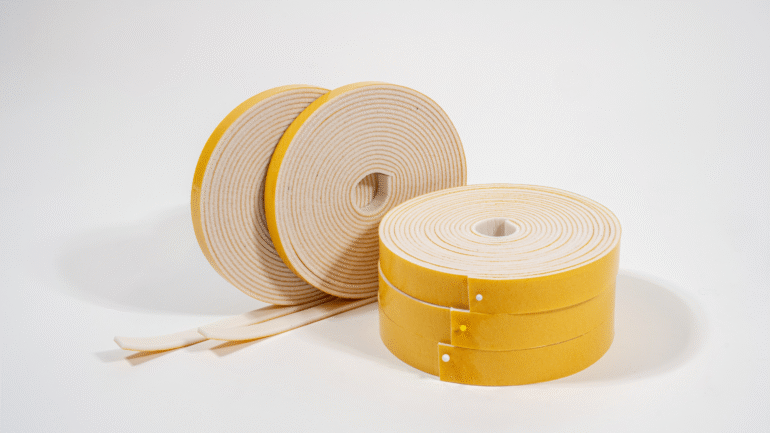
This is where silicone sponge strip is an ideal solution. Beyond its primary role as an environmental seal, this versatile, high-performance material is highly effective in noise damping and vibration isolation applications, providing essential benefits to both the rail industry, as well as large industrial HVAC systems.
The Challenge of Noise and Vibration in Rail
Rail vehicles are inherently noisy environments. Constant metal-on-metal friction, powerful motors, and high-speed air resistance generate intense noise frequencies and persistent structural vibrations. Without effective noise insulation and vibration isolation, these factors contribute to:
- Reduced passenger comfort: High noise levels create an unpleasant travel experience, which directly impacts customer satisfaction.
- Component failure: Continuous vibration can loosen fasteners, damage wiring harnesses, and shorten the lifespan of sensitive electronic equipment like LCD displays and communication systems.
- Regulatory compliance: Global standards, such as those related to noise exposure for workers and acceptable cabin sound levels, must be met to ensure operational legality.
Silicone sponge strip addresses these problems through its unique cellular structure. When placed between two vibrating surfaces, for example, panel-to-frame seals, floor runners, or electronic equipment mounts), the material acts as a dampener. The air captured within its closed-cell structure converts vibrational energy into minor heat, effectively isolating the structure and significantly reducing the transmission of noise. Its low compression set ensures this damping property remains consistent over the lifetime of the train.
Quieting the Infrastructure: HVAC Systems
In large commercial buildings, industrial plants, and especially on trains, HVAC (Heating, Ventilation, and Air Conditioning) units are major sources of noise and vibration.
Silicone sponge strip is important here for several functions:
- Acoustic insulation: Used as a gasketing material around air ducts, access panels, and fan enclosures, the strip prevents the leakage of noise, contributing to a quieter operational environment.
- Vibration isolation: When placed as a mounting pad or strip beneath a motor or compressor, the silicone sponge absorbs the machine’s operational vibrations. This prevents the transfer of energy to the frame and surrounding building structure, eliminating noise and protecting the mounting area from fatigue damage.
- Air seal and thermal barrier: While damping, the sponge also provides its primary benefit: creating an airtight and watertight seal. This ensures the HVAC system operates efficiently by preventing thermal loss, further reducing the workload and noise of the internal machinery.
Why Silicone Sponge Strip is the Ideal Damping Material
While other foam or rubber materials can dampen noise, silicone sponge offers a key advantage: its ability to maintain performance under volatile conditions.
Let’s look at some of the properties of silicone and how they are beneficial for noise damping and isolation.
Extreme temperature range: The material remains flexible and elastic at both freezing cold and very high temperatures (from -60°C to +230°C for certain grades). This ensures damping properties do not degrade due to external weather or internal machinery heat.
Excellent compression set: After repeated compression (such as constant door closing or sustained heavy vibration), the silicone sponge strip recovers its original shape quickly and retains its thickness. This guarantees the seal and damping force don’t fail over time.
Environmental stability: Silicone is inherently resistant to UV light, ozone, and general weathering. Used in rail vehicle exteriors or rooftop HVAC units, the damping material itself won’t degrade and become stiff, ensuring long-term acoustic performance.
Fire safety compliance: Especially critical in rail applications, silicone materials can be compounded to meet strict standards like EN45545-2, ensuring the damping solution does not contribute to fire hazards by limiting flame spread and smoke toxicity.
Your Silicone Sponge Needs
The use of silicone sponge strips represents a proactive investment in the long-term integrity and comfort of mass transit vehicles, as well as industrial infrastructure. By harnessing the material’s excellent acoustic and vibrational damping capabilities, engineers can reduce noise, enhance passenger experience, and protect expensive machinery from premature failure.
In environments where reliability and compliance are non-negotiable, where a comfortable train ride and a functional HVAC system depend on stable components, a high performance sponge strip proves itself to be an essential, high-performance solution.
If you are in need of silicone sponge strips or require advice on material selection for rail applications, you can visit the CB Frost & Co website.